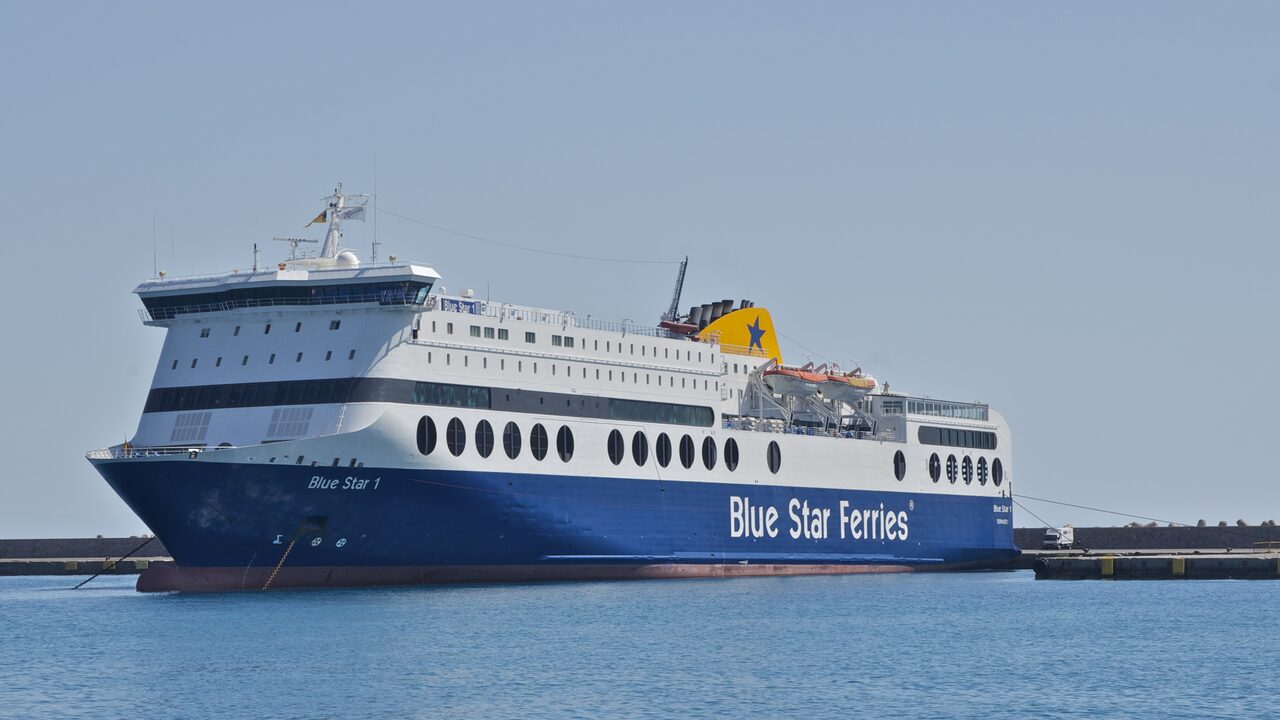
Wind, strikes, a technical fault: ferries are cancelled more often than flights, and usually with less warning. This guide sets out what the rules give you on a ferry leaving an EU port, what they do not, and a practical order of actions. It is general information, not legal advice.
1. Which sailings the rules cover
Regulation (EU) No 1177/2010 covers passenger services leaving a port in an EU country, and services arriving in the EU from outside if run by an EU carrier (Article 2). It does not cover ships certified for up to 12 passengers, crossings under 500 metres, or excursion and sightseeing tours other than cruises. Cruise passengers have some, but not all, of these rights.
2. Information within 30 minutes
When a departure is cancelled or delayed, the carrier or terminal operator must tell passengers as soon as possible and no later than 30 minutes after the scheduled departure time, then give estimated departure and arrival times when known (Article 16). Ferryhopper, a booking platform, adds that operators may text passengers directly about last-minute changes, and that for strikes it informs passengers once the local port authority announces the disruption.
3. Meals and, if needed, a bed
If a departure from a port terminal is cancelled or expected to be delayed by more than 90 minutes, you should be offered snacks, meals or refreshments in reasonable relation to the wait, where available. If you need to stay one or more extra nights, the carrier must offer accommodation on board or ashore, where physically possible, plus transport to it; it may cap the hotel cost at EUR 80 per night for up to three nights (Article 17).
The accommodation right does not apply if the carrier proves the cancellation or delay was caused by weather conditions endangering the safe operation of the ship (Article 20(3)). Meals and information still apply.
4. Re-routing or a refund: your choice
If a passenger service is cancelled or delayed in departure by more than 90 minutes, you can choose between re-routing to your destination at the earliest opportunity at no extra cost, or a refund of the ticket price (with a free return to your starting point where relevant). The refund must be paid within 7 days; vouchers only if you agree (Article 18). This choice applies whatever the cause, including weather.
5. Compensation for arriving late
| Scheduled journey | 25% of the fare if late by at least | 50% if late by at least |
|---|---|---|
| Up to 4 hours | 1 hour | 2 hours |
| 4 to 8 hours | 2 hours | 4 hours |
| 8 to 24 hours | 3 hours | 6 hours |
| Over 24 hours | 6 hours | 12 hours |
Compensation is a share of the price you paid for that service, paid within one month of your request, in money if you ask (Article 19). It does not apply when the delay was caused by weather endangering the ship's safe operation or by extraordinary circumstances that could not have been avoided (Article 20(4)), and carriers may set a threshold of up to EUR 6 below which nothing is paid.
6. Your plan B, in order
- Ask the operator's desk for the reason in writing and the next departure; photograph any notice.
- Decide: re-route on the next sailing, or take the refund and travel another way.
- If you have a connection (a cruise, a flight), tell the operator at once and look for alternatives yourself too; the carrier must only make reasonable efforts to inform you of other connections (Article 16(2)).
- Keep receipts for food and transport. Ask for the meals and accommodation the rules provide if the wait qualifies.
- Complain to the carrier within 2 months; it must reply within 1 month that your complaint is accepted, rejected or being considered, with a final answer within 2 months (Article 24). After that, each EU country has a national enforcement body (Article 25).
If you have a cruise to catch, read why separate tickets need a buffer before you book either.