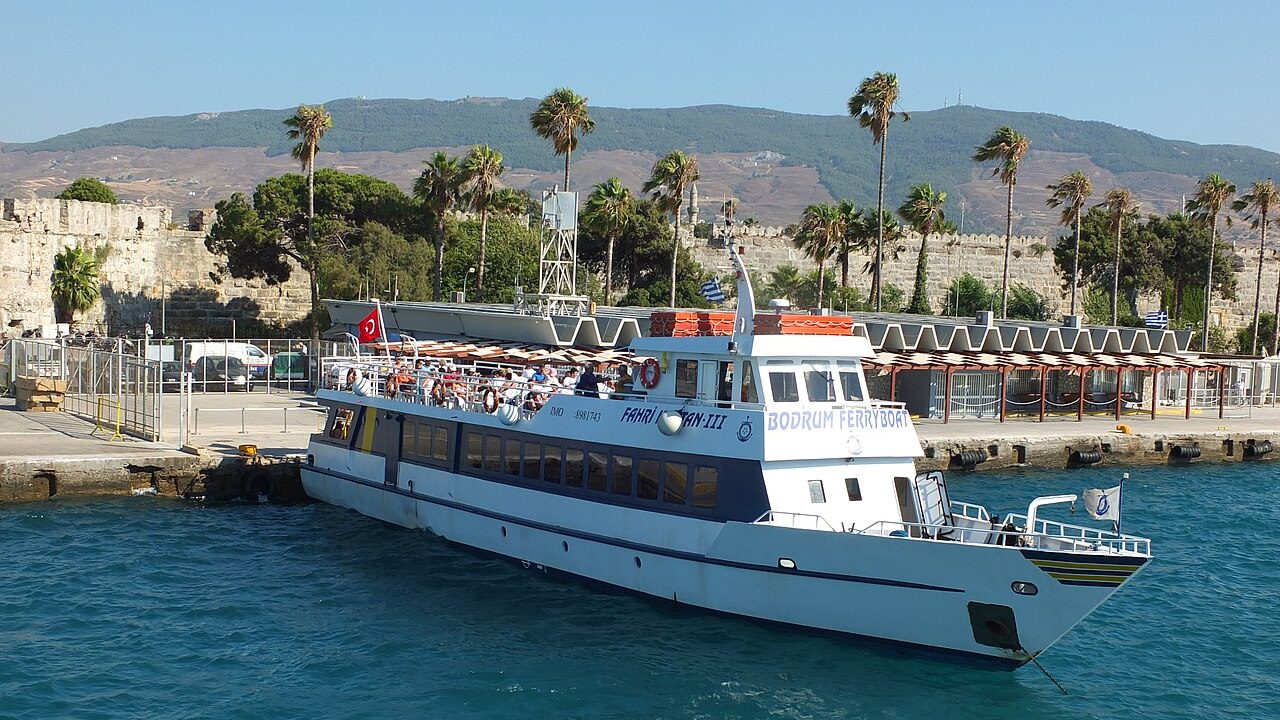
Island hopping to the port where your cruise starts, or taking a ferry home after it, can be a lovely way to add a few days. The risk is in the join. When the ferry and the cruise are separate bookings, nobody is responsible for making sure you connect except you.
1. Two contracts, no shared protection
The EU sea passenger rules attach to each transport contract. If your ferry is cancelled or late, your rights are against the ferry company, and compensation for a late arrival is calculated on the price you paid for that ferry service (Regulation (EU) No 1177/2010, Article 19(3)), not on the cruise you missed. The rules leave room for claims under national law (Article 21), but that is a slower, uncertain route.
2. What the ferry company must do
If your ferry is cancelled or delayed by more than 90 minutes, you can choose the next suitable sailing or a refund (Article 18). If you miss a connecting service because of the delay, the carrier must make reasonable efforts to inform you of alternative connections (Article 16(2)). That is information, not a guarantee that you will reach the ship.
3. What the cruise line does is up to the cruise line
Whether a cruise line will wait, let you join at a later port, or refund anything if you arrive late is set by its own terms, which differ by line. Read the cruise line's terms on missed embarkation before you book a tight connection.
4. How much buffer?
We cannot give one number that suits every route, and we will not invent one. Base your margin on three things you can check: how often the ferry runs (if the next sailing is tomorrow, a single cancellation costs a day), how exposed the crossing is to wind, and how far the ferry terminal is from the cruise terminal. When the next ferry is a day later, arriving the day before your cruise is the margin that actually covers a cancellation.
5. Ways to reduce the risk
- Arrive in the embarkation city at least the day before when the ferry runs once a day or less.
- Prefer the larger conventional ferry on exposed routes; small fast boats are more often held in port in wind (see fast or conventional).
- Check how you get from the ferry terminal to the cruise terminal, and how long it takes.
- Keep the ferry booking flexible if you can, so that you can move to an earlier sailing.
- Check whether your travel insurance covers a missed departure caused by a delayed connection, and on what conditions.
6. After the cruise
The same logic works in reverse. Cruise ships sometimes dock late; give yourself time between disembarkation and any ferry you cannot change. See also when your ferry is cancelled.